La Frontera 1996-1997
Nador. 1996-1997
LA FRONTERA
NADOR (MARRUECOS), 1996/1997
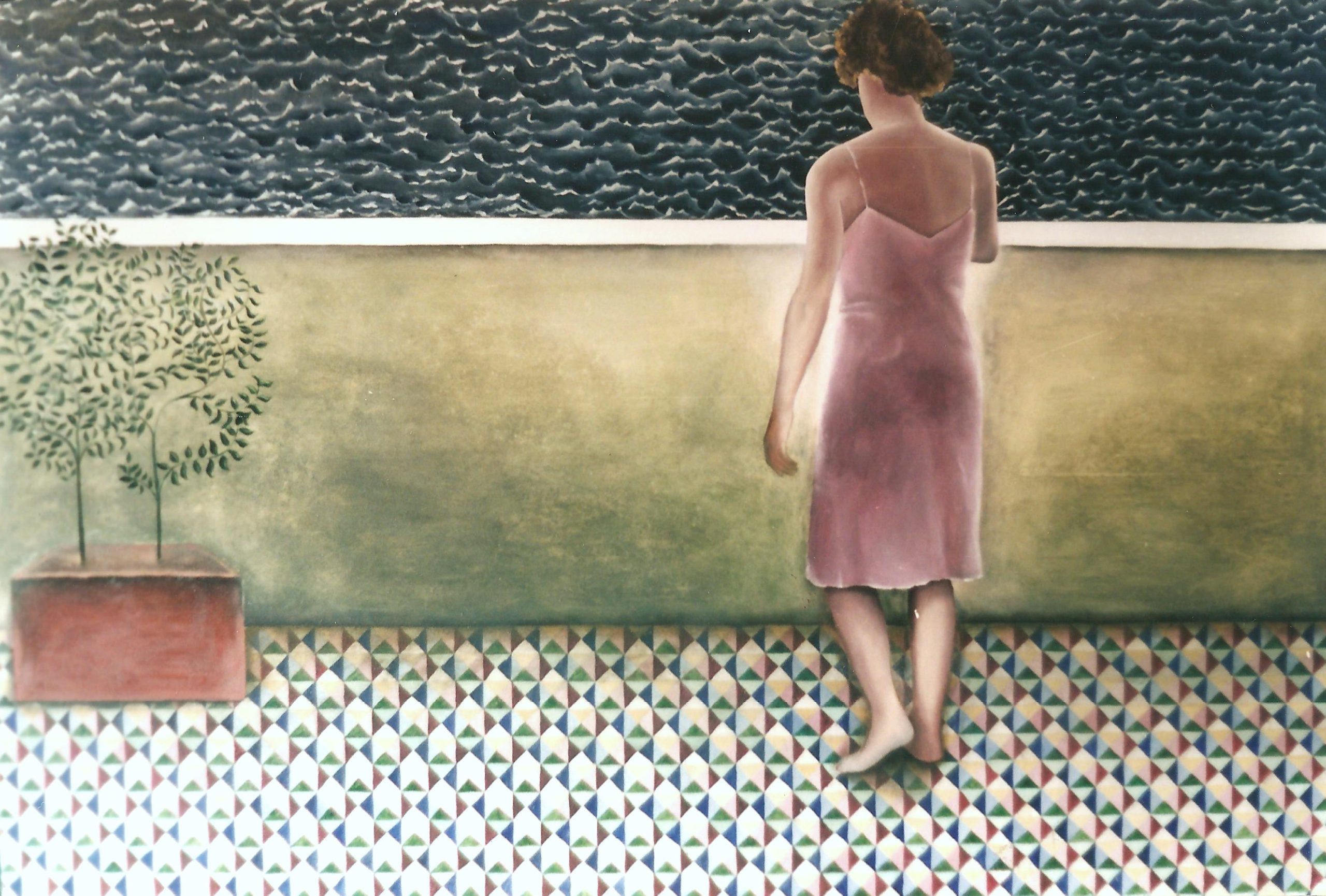
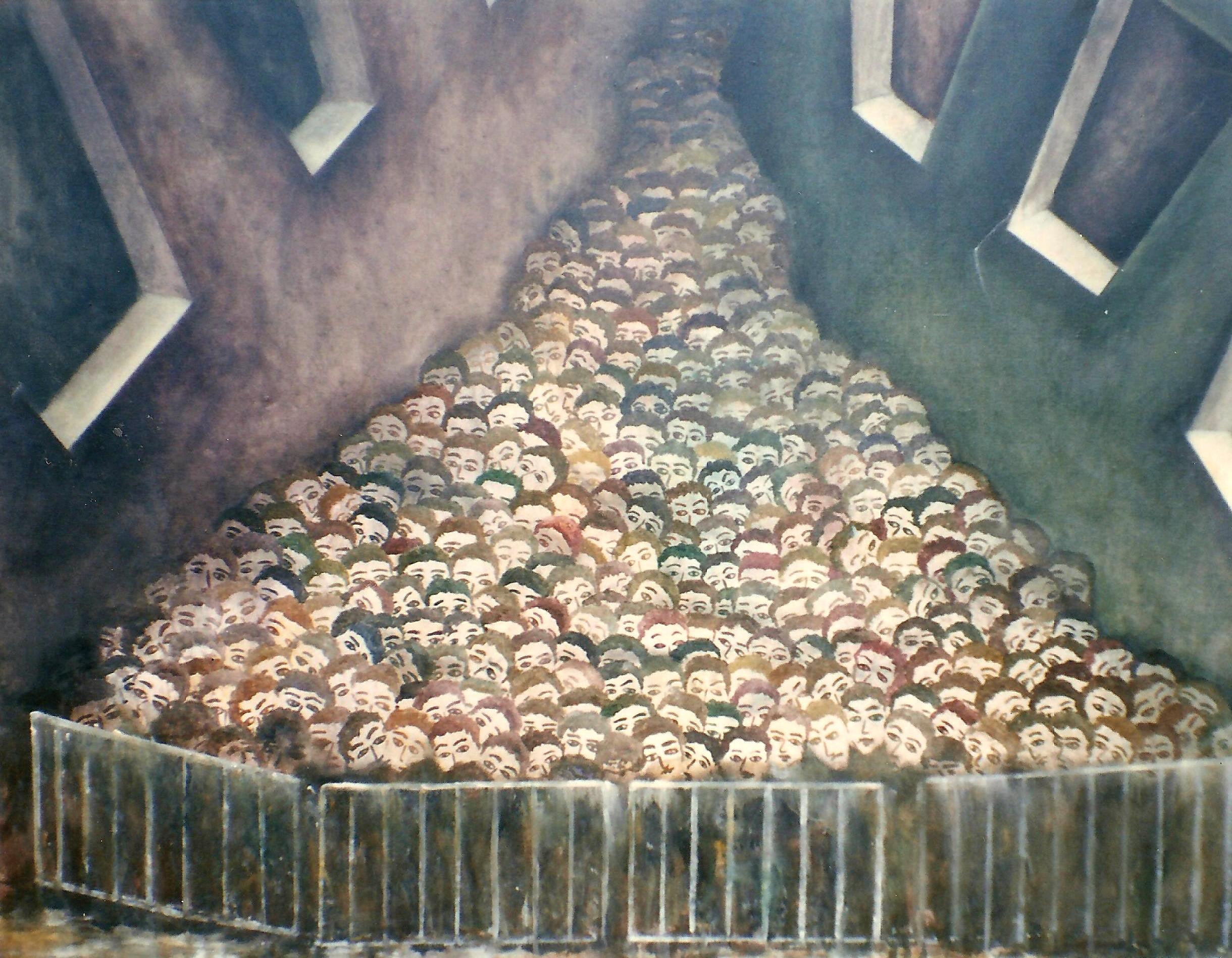
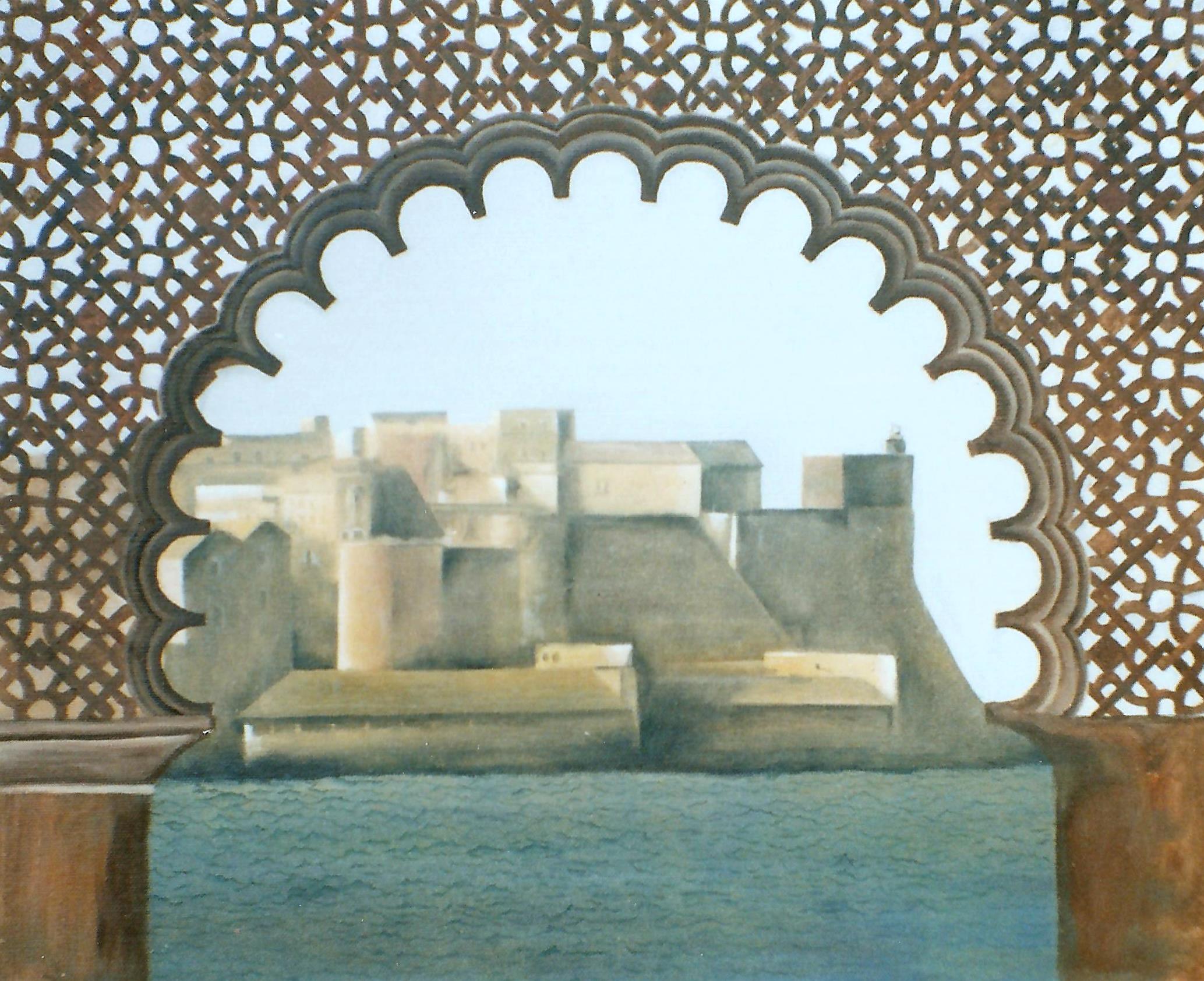
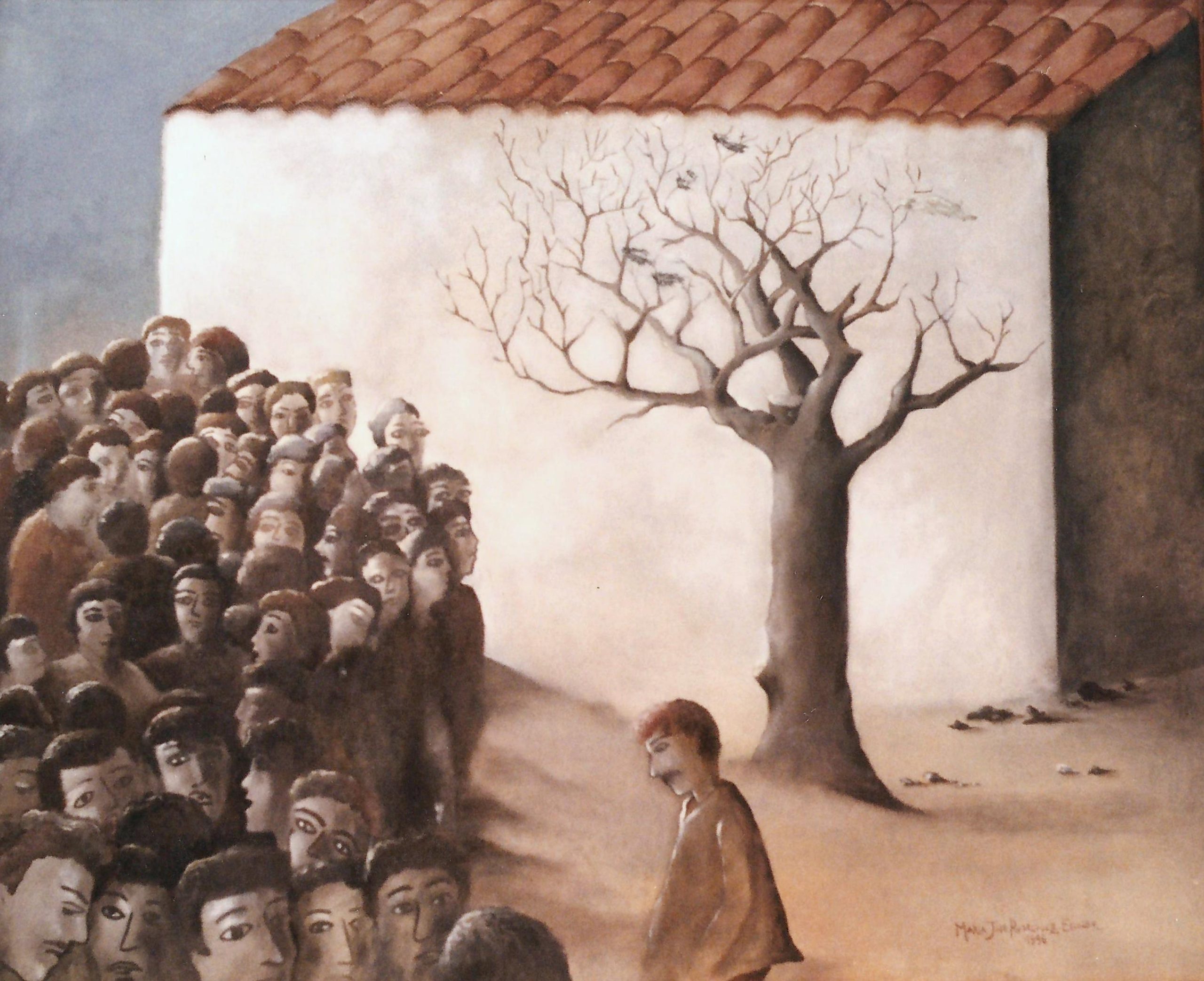
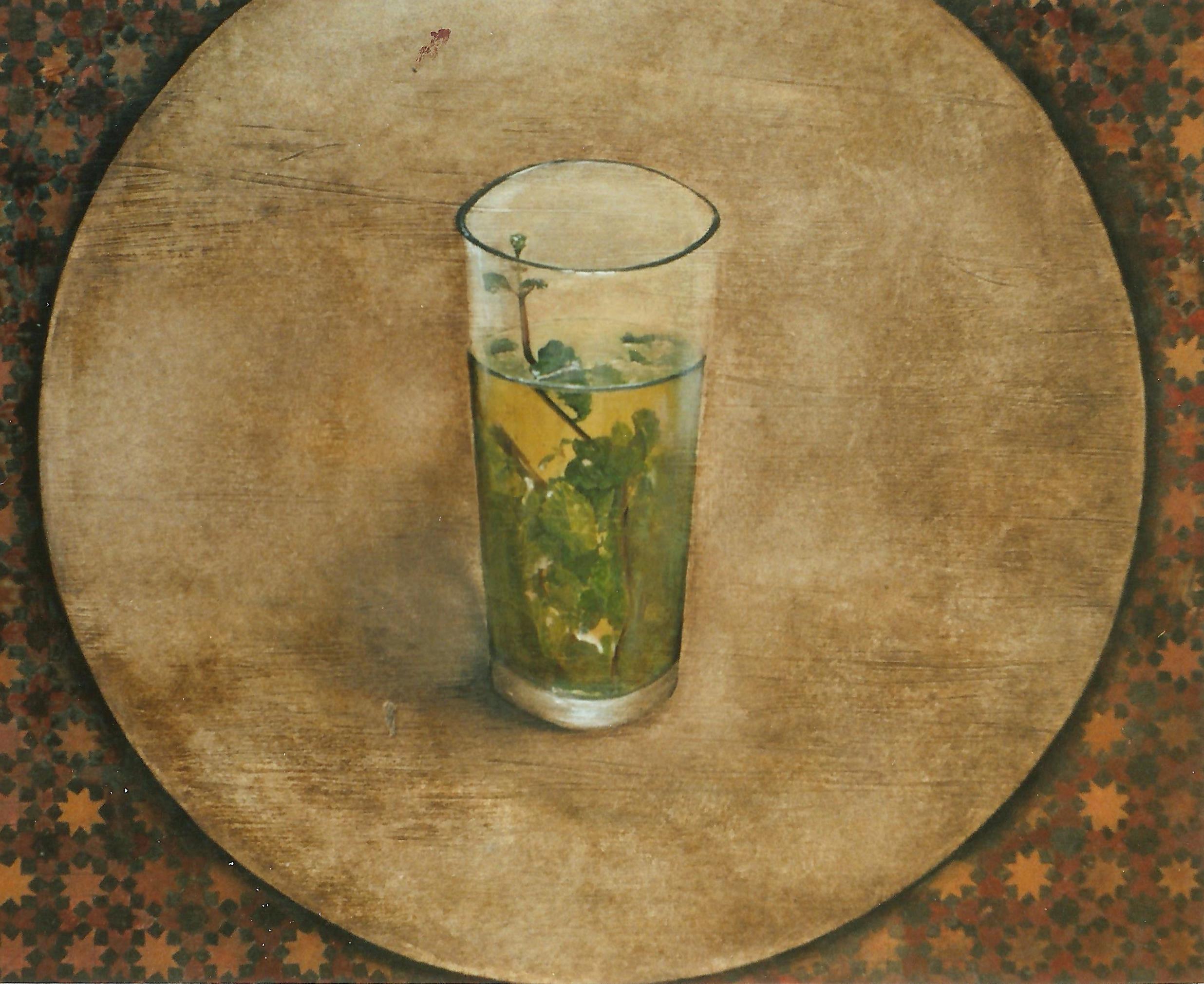
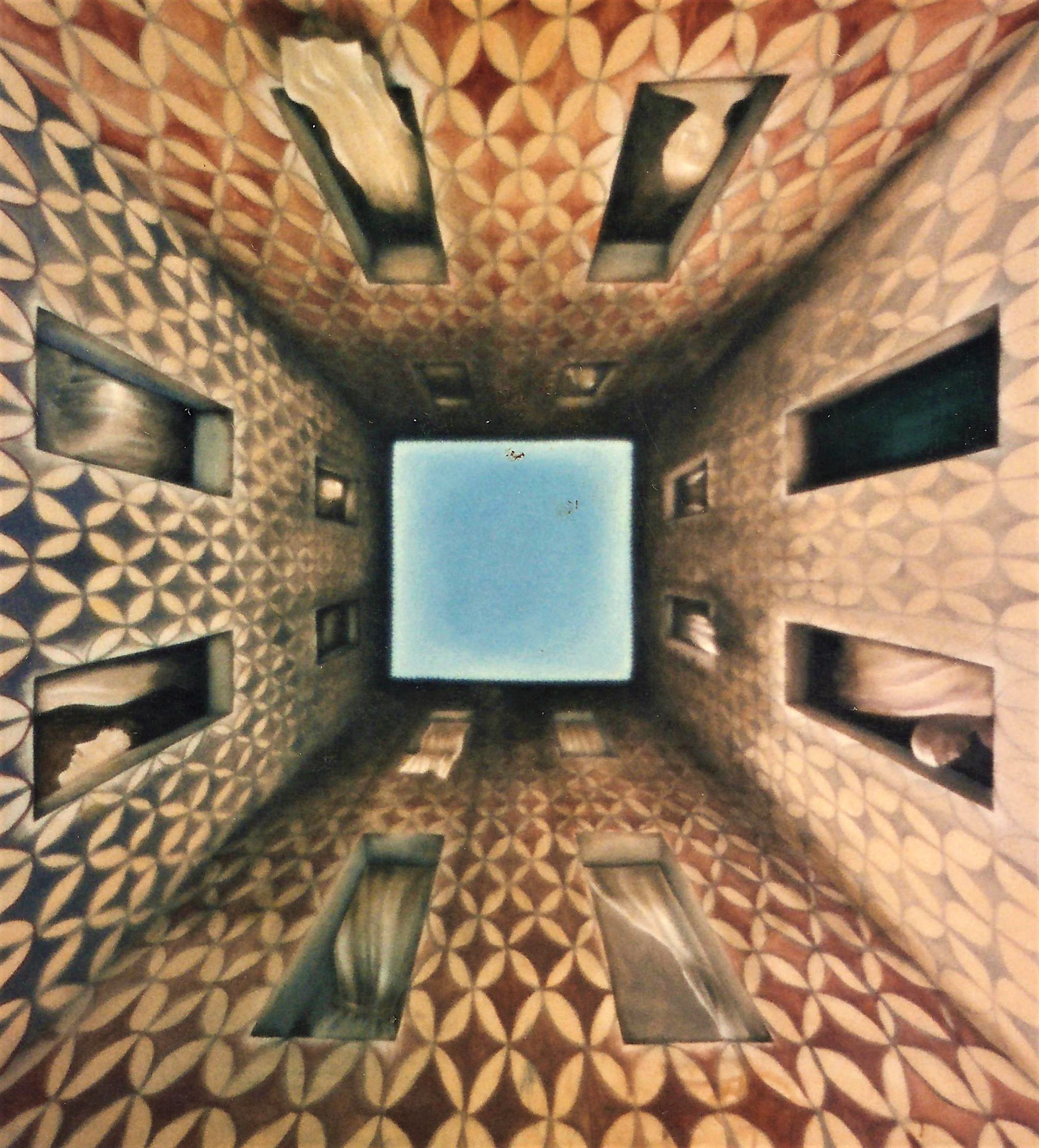
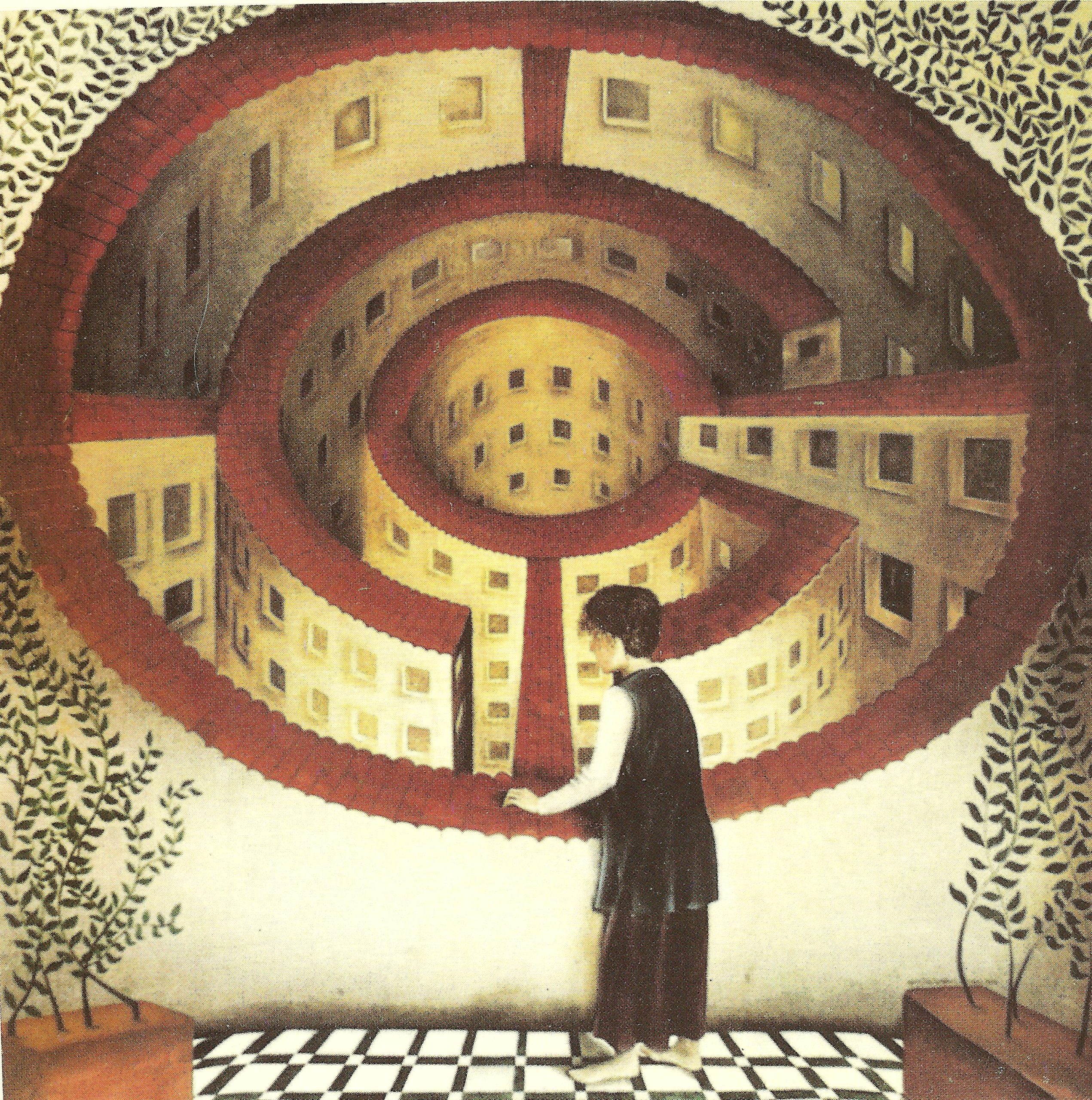
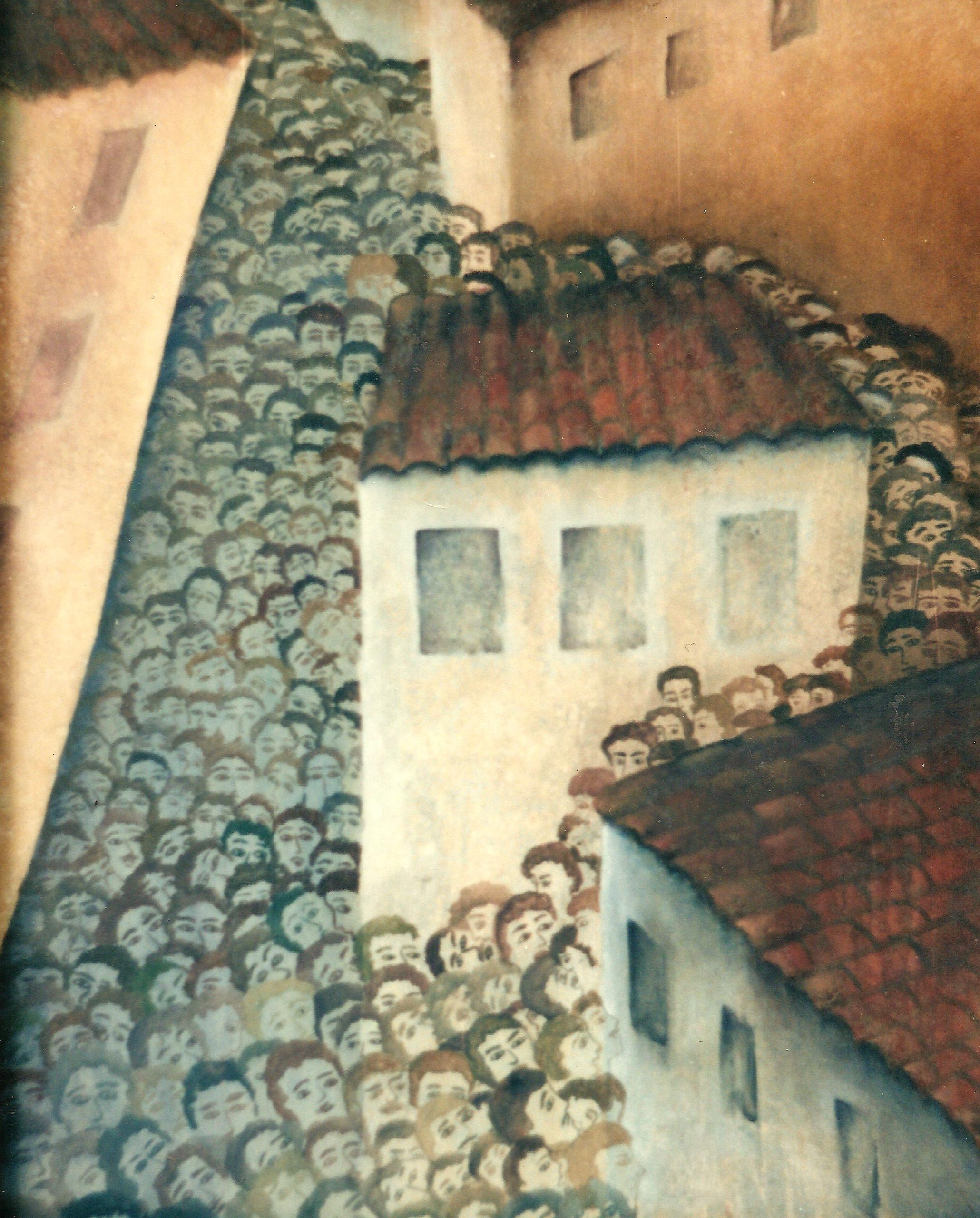
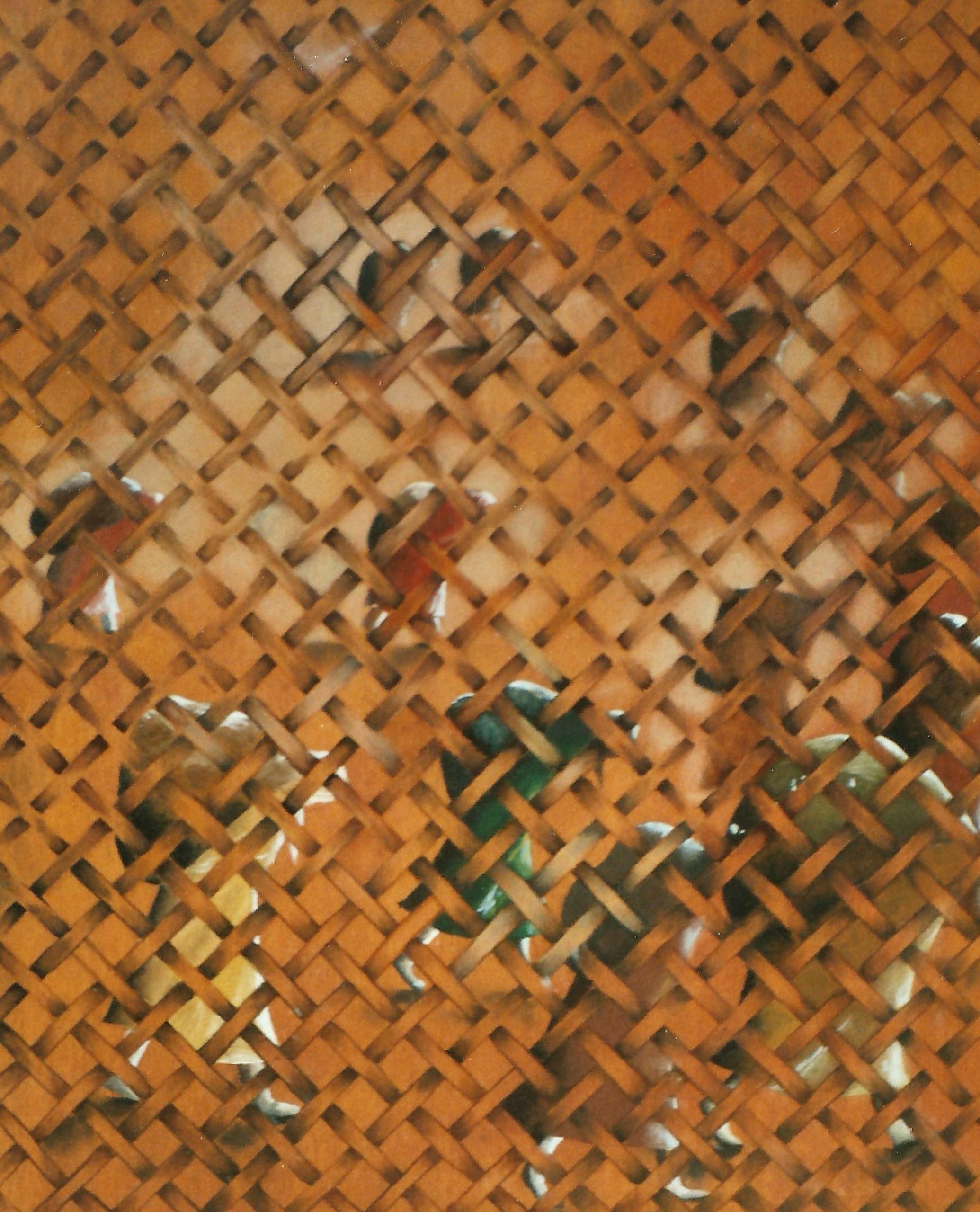
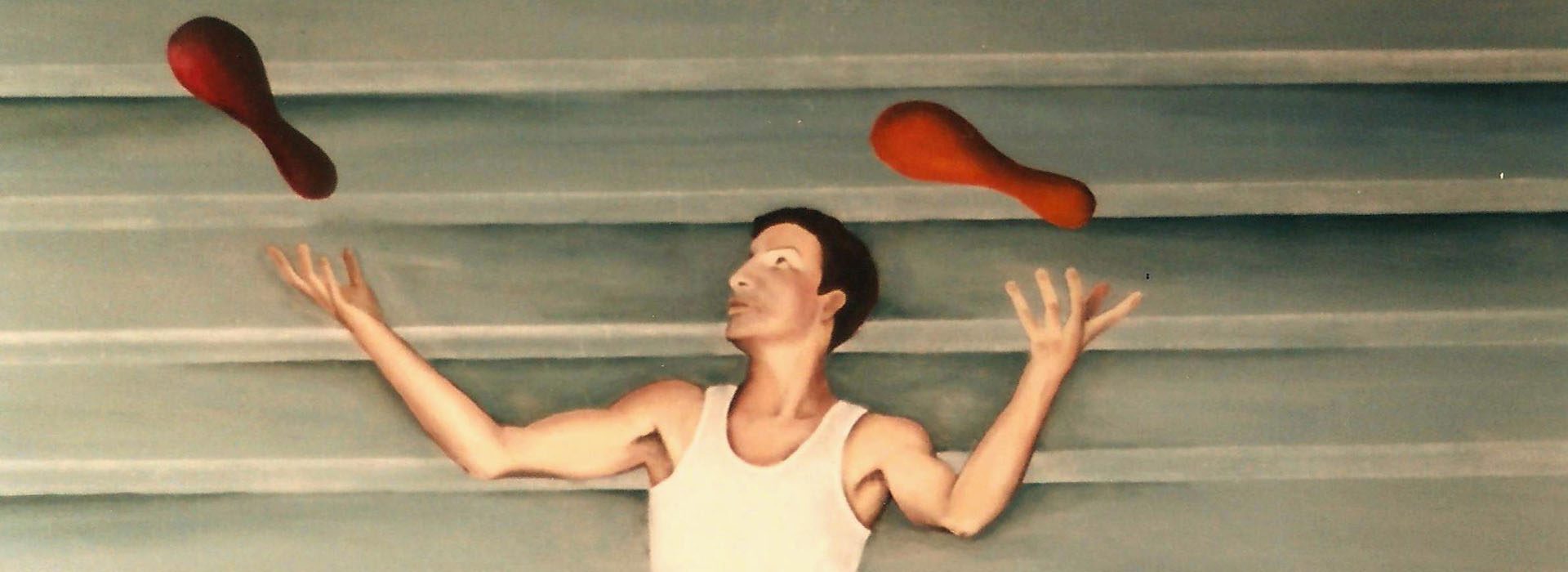
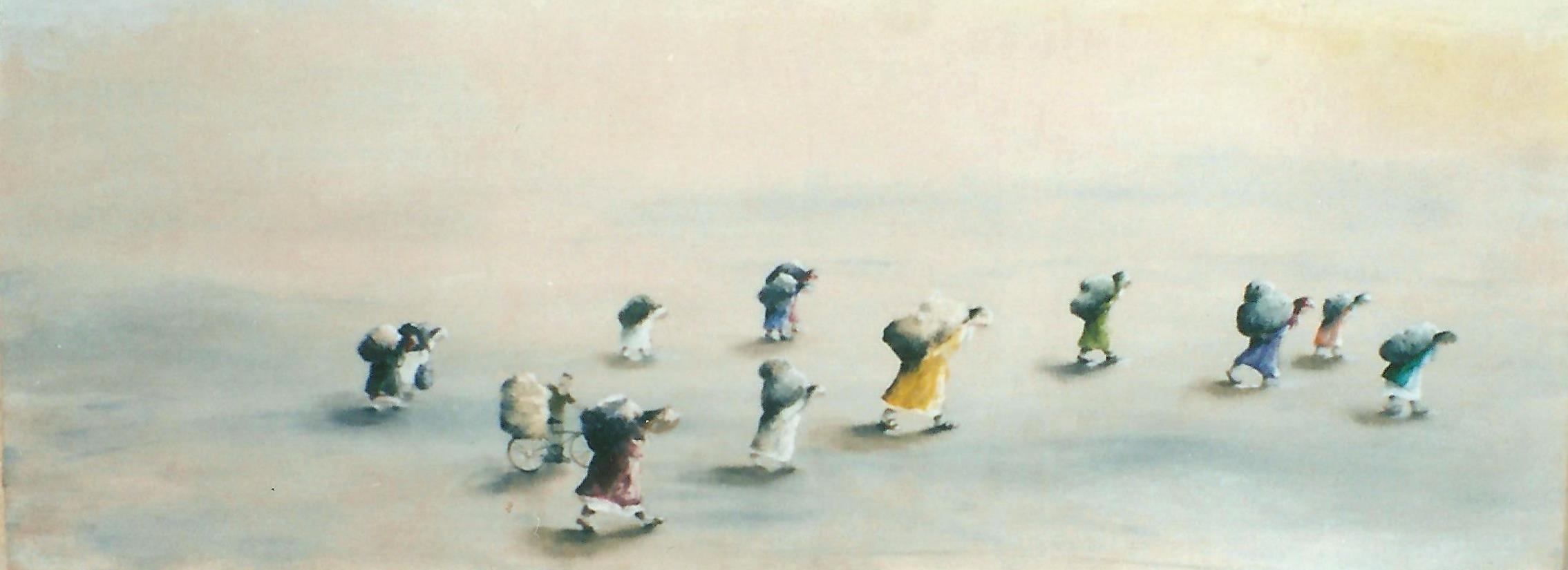
Los cuadros que pinté durante estos dos años que residí en el norte de Marruecos, tienen su origen en algo que me llamó profundamente la atención: el fuerte contraste entre individuo y colectivo, hombre y mujer, en paralelo con interior (lo privado, la casa, el hogar) y exterior (lo social, la calle, el mundo) manifestándose no solo como entidades diferentes sino opuestas. La casa, al exterior se manifiesta sobria, con grandes y robustos muros, sin apenas ventanas, como una fortaleza. El interior es un vergel: las habitaciones se abren a un patio central donde se respira el aroma del jazmin o el azahar, y la sensualidad de las fuentes. De igual manera, las mujeres, en el exterior, en la calle, se muestran como los muros de las casas, protegidas y ocultas.
Casa: orden, sosiego. A veces cárcel. Lugar otorgado a la mujer. Calle: desorden, suciedad. También alivio y consuelo. El hombre domina este territorio.
Esta dualidad de contrastes me sirve de punto de partida de esta serie de cuadros titulada La Frontera, y de reflexión sobre el distinto comportamiento del individuo según actúe en grupo o privadamente, si es hombre o mujer, y según se manifieste en un ámbito particular o público. La casa y la calle, el hombre y la mujer, lo privado y lo público, entidades a veces demasiado contradictorias como para convivir en armonía.
THE BORDER
NADOR (MOROCCO), 1996/1997
The paintings I painted during these two years that I lived in the north of Morocco, have their origin in something that caught my attention: the strong contrast between individual and collective, man and woman, in parallel with interior (the private, the house, the home) and exterior (the social, the street, the world) manifesting themselves not only as different entities but also as opposites. The house, on the outside, is sober, with large and robust walls, with hardly any windows, like a fortress. The interior is an orchard: the rooms open onto a central courtyard where you can breathe in the scent of jasmine or orange blossom, and the sensuality of the fountains. In the same way, women, outside, in the street, are shown as the walls of the houses, protected and hidden.
Home: order, tranquility. Sometimes jail. Place given to women. Street: disorder, dirt. Also relief and comfort. Man dominates this territory.
This duality of contrasts serves as the starting point for this series of paintings entitled The Border, and for reflection on the different behaviour of the individual depending on whether he acts in a group or privately, whether he is a man or a woman, and whether he manifests himself in a particular or public sphere. The house and the street, the man and the woman, the private and the public, entities sometimes too contradictory to coexist in harmony.